Photo: Miriam Edith Leal · CC BY-SA 4.0 · WebP and display crop
National park
Cabo Polonio: dunes, a lighthouse and a coastal national park
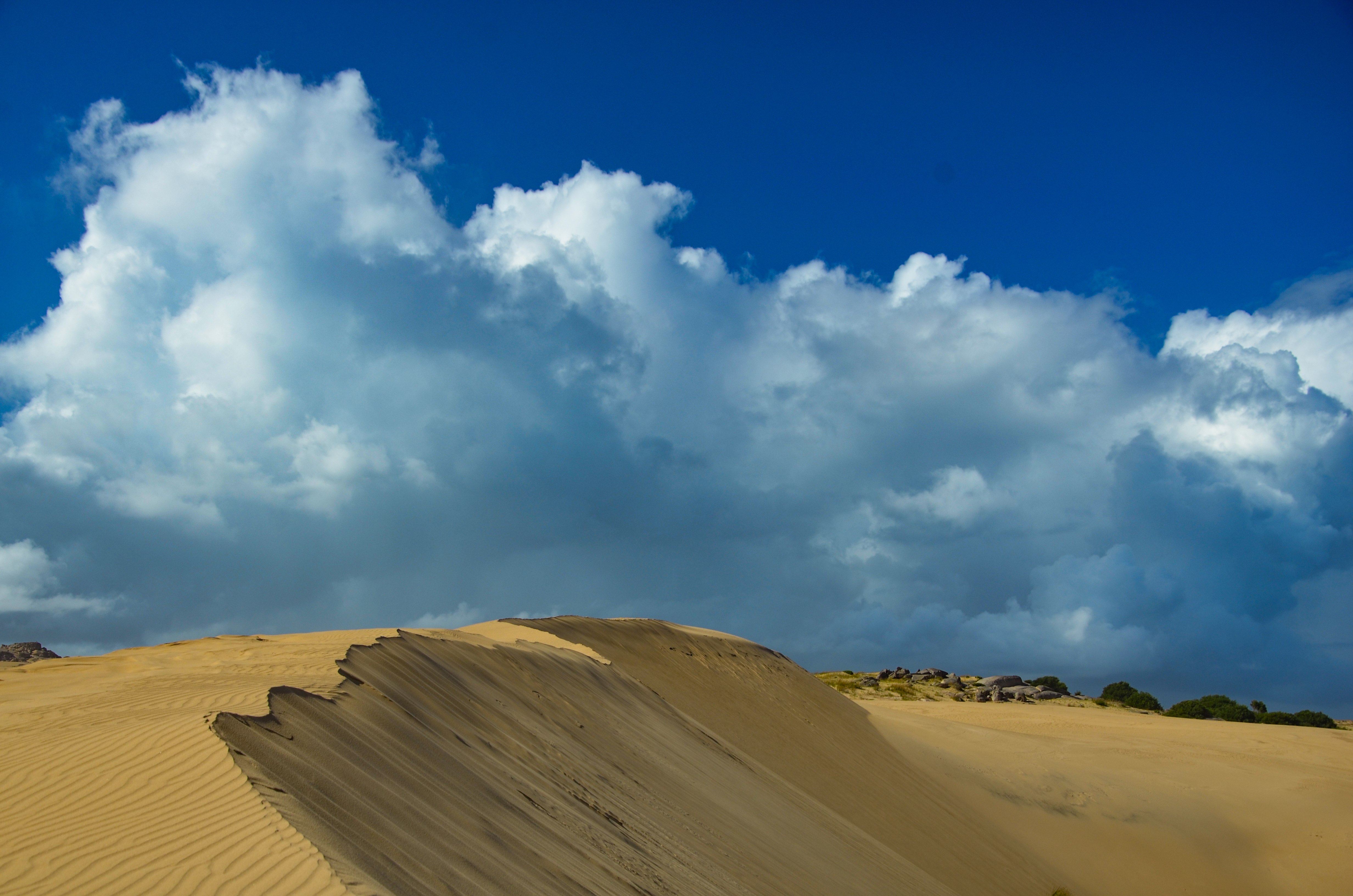
Cabo Polonio, in Rocha, is part of Uruguay’s National System of Protected Areas. The park includes terrestrial, marine and island environments; its dunes, beaches and sea lion colonies are fragile natural features that call for a careful visit.
EXPLORE BEFORE YOU CHOOSE
Find your place on the map
Locate the guide’s areas, explore the surroundings and search for stays for your dates.
03 areas in this guide
Photo: Miriam Edith Leal · CC BY-SA 4.0 · WebP and display crop
Photo: Luciajimena1990 · CC BY-SA 4.0 · WebP and display crop
Map of the areas
Loading map…
The map loads OpenStreetMap mapping.
Markers indicate areas, not property addresses. Prices and availability are checked on Booking.com.
We may earn a commission if you book through these links, at no extra cost to you.
Cabo Polonio, in Rocha, is part of Uruguay’s National System of Protected Areas. The park includes terrestrial, marine and island environments; its dunes, beaches and sea lion colonies are fragile natural features that call for a careful visit.
Access to the settlement is from the entrance terminal, followed by a roughly seven-kilometre ride in authorised vehicles. It is also possible to walk or ride a horse on permitted routes. Private cars do not reach the village.
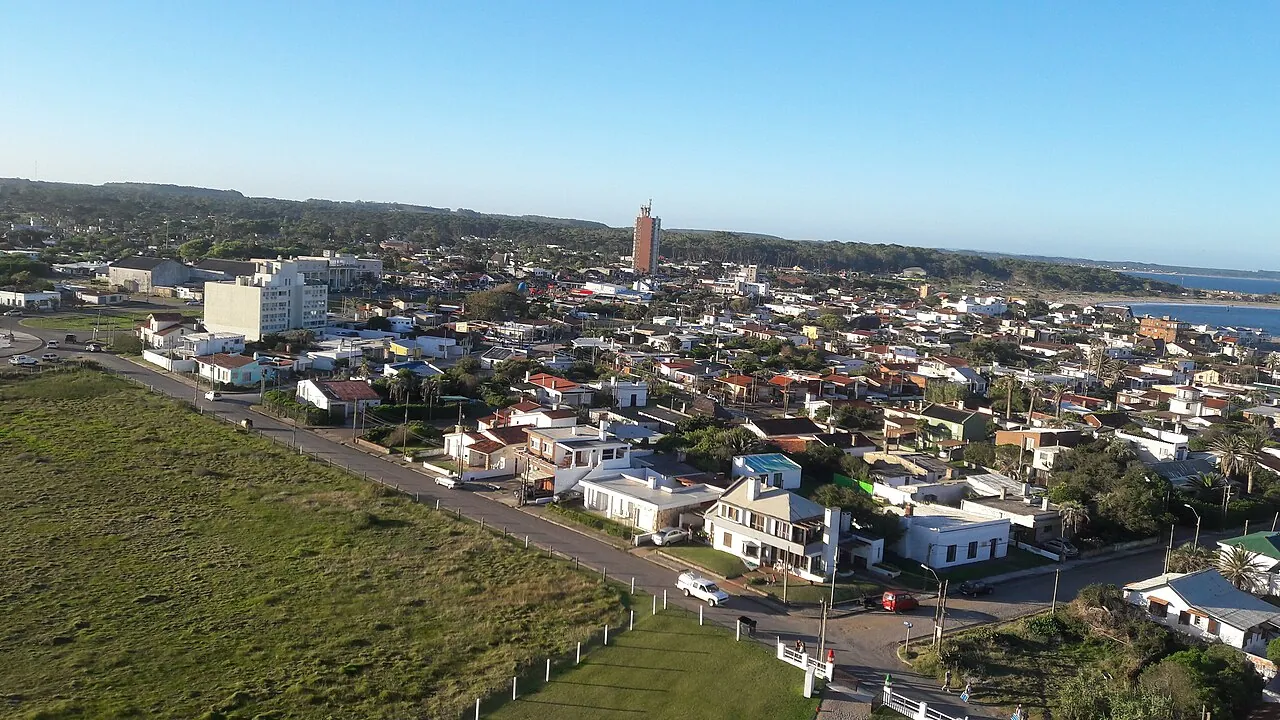
The lighthouse and North and South beaches shape much of a visit. Facilities are limited compared with a town; confirm accommodation, inbound and outbound transport, payment options and schedules before travelling.
The essentials
RegionRocha, protected area
Suggested seasonDecember to March; autumn for walking
Suggested time1 to 2 nights
Good forOff-grid nature and total disconnection
What makes it different
Access to the settlement is from the entrance terminal, followed by a roughly seven-kilometre ride in authorised vehicles. It is also possible to walk or ride a horse on permitted routes. Private cars do not reach the village.
Things to see & do
Cabo Polonio Lighthouse
Built in the nineteenth century, the lighthouse is the cape’s main landmark. Opening and access may vary; check local information before visiting.
North and South beaches
The beaches wrap around the cape and have different exposure to the sea. Check water conditions and safety advice; not every stretch should be assumed safe for swimming.
Dunes and protected landscape
Mobile dunes are part of the park’s natural value. Stay on authorised access routes and do not use vehicles outside approved services.
Marine wildlife
The islands and rocky cape provide habitat for sea lions. Observe from permitted areas and keep your distance to avoid disturbing them.


Walks
Routes in a protected area. Distances and times depend on the route and conditions; check rules and access with local authorities.
| Walks | Distance | Duration | Difficulty |
|---|---|---|---|
| Settlement and lighthouse The lighthouse is one of the cape's landmarks; check access and opening times. | Variable | Variable | Conditions vary |
| Beaches and dunes Loose sand and wind affect effort; check conditions on the day. | Variable | Variable | Conditions vary |
| From Barra de Valizas A coastal walk over sand and dunes; check the stream and plan your return. | About 8 km | Variable | Preparation required |
Where to eat
The settlement is inside a national park and has fewer services than a city; the offer changes throughout the year.
Settlement
Rocha Tourism publishes a directory of restaurants and services; check what is open for your dates.
Lighthouse and beaches
Availability varies; confirm local options before relying on a service.
Before you go
Ask your accommodation directly about transport, water and available services.
There is no conventional electricity grid. Ask your accommodation about services and payment methods, and check transport and schedules before travelling.
When to go
The landscape can be visited year-round, but wind and sea conditions strongly affect the experience. Demand and services vary between seasons; confirm transport operations and accommodation before setting out.
How to get there
The entrance is at kilometre 264.5 of Route 10. From Puerta del Polonio terminal, authorised off-road vehicles cover about seven kilometres to the settlement. Walking and horseback approaches are also possible; check duration, conditions and local rules.
Where to stay
The settlement keeps you close to the lighthouse, beaches and limited local services. Before booking, verify the exact location, available facilities and how to arrange the transfer from the entrance terminal.
We may earn a commission if you book through these links, at no extra cost to you. Availability and conditions are confirmed on Booking.com.
Useful tips
- Do not drive a private car expecting to reach the settlement; arrange access from the entrance terminal.
- Bring water, sun protection and a windproof layer; coastal weather can change quickly.
- Check cash and connectivity options before leaving; do not assume every service accepts cards.
- Do not feed or approach sea lions, and take all rubbish out of the protected area.
Frequently asked questions
When should I visit Cabo Polonio?
The landscape can be visited year-round, but wind and sea conditions strongly affect the experience. Demand and services vary between seasons; confirm transport operations and accommodation before setting out.
How do I get to Cabo Polonio?
The entrance is at kilometre 264.5 of Route 10. From Puerta del Polonio terminal, authorised off-road vehicles cover about seven kilometres to the settlement. Walking and horseback approaches are also possible; check duration, conditions and local rules.
Where should I stay in Cabo Polonio?
The settlement keeps you close to the lighthouse, beaches and limited local services. Before booking, verify the exact location, available facilities and how to arrange the transfer from the entrance terminal.
What should I see and do in Cabo Polonio?
Cabo Polonio Lighthouse, North and South beaches, Dunes and protected landscape, Marine wildlife
Destinations
Keep exploring
Other destinations to add to the same trip.

Cabo Polonio
Cabo Polonio, in Rocha, is part of Uruguay’s National System of Protected Areas. The park includes terrestrial, marine and island environments; its dunes, beaches and sea lion colonies are fragile natural features that call for a careful visit.
See availability on Booking.com